
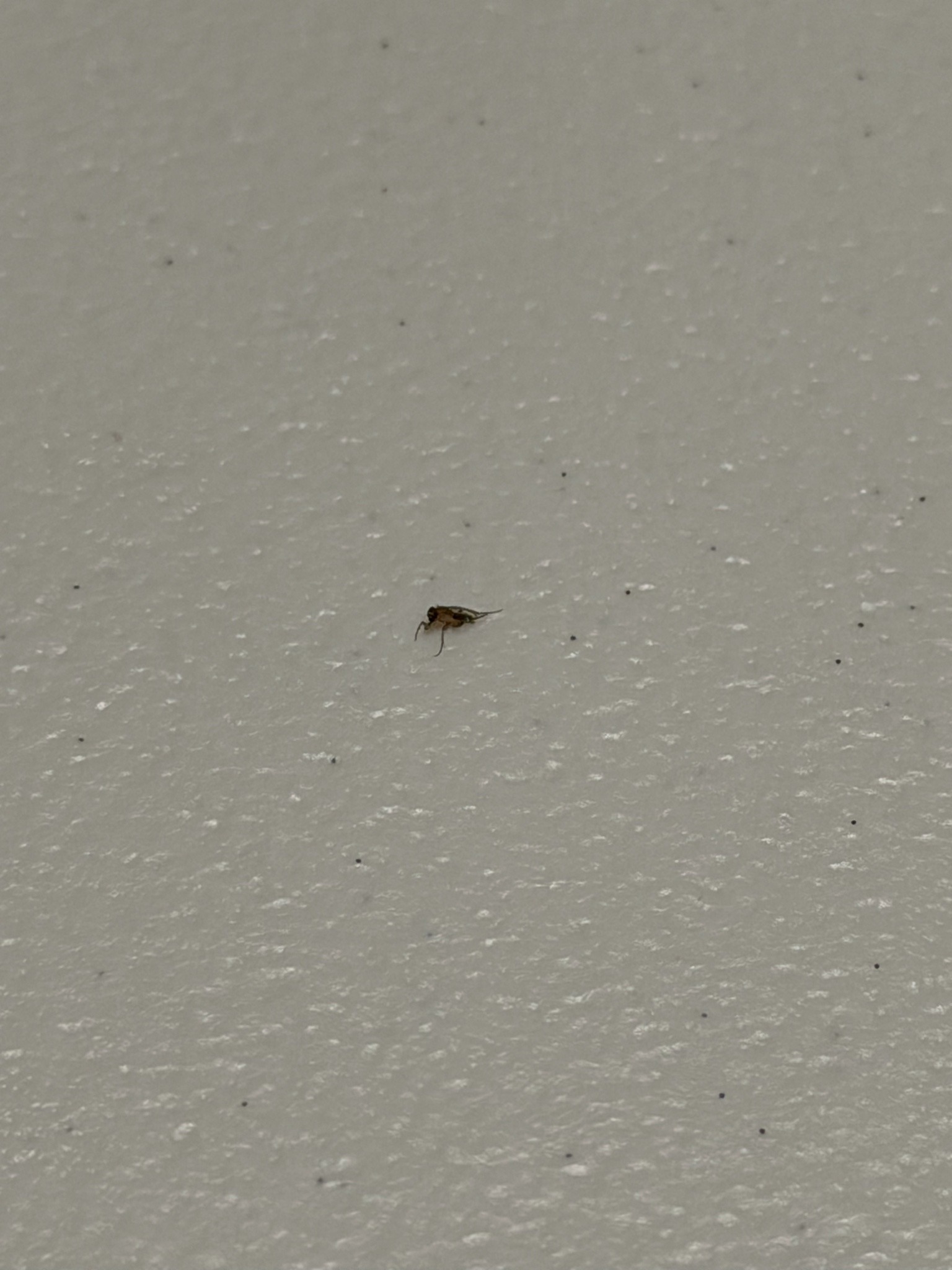
Community identification
Cat Flea
Ctenocephalides felis
- Order & Family
- Order Siphonaptera, Family Pulicidae
- Size
- 1.5 mm to 3.3 mm in length
Natural Habitat
Found globally; typically lives on host animals like cats and dogs, or in carpets, bedding, and floor cracks where larvae develop.
Diet & Feeding
Adults are hematophagous, feeding exclusively on the blood of mammals (primarily cats and dogs, but also humans). Larvae feed on organic debris and adult flea feces ('flea dirt').
Behavior Patterns
Flightless but capable of jumping long distances. They are laterally flattened to move easily through fur. Females lay up to 50 eggs per day, which fall off the host into the environment.
Risks & Benefits
Risks include skin irritation, allergic dermatitis, and transmission of parasites like tapeworms (Dipylidium caninum) or bacterial diseases (murine typhus). They offer no known benefits to the ecosystem.