
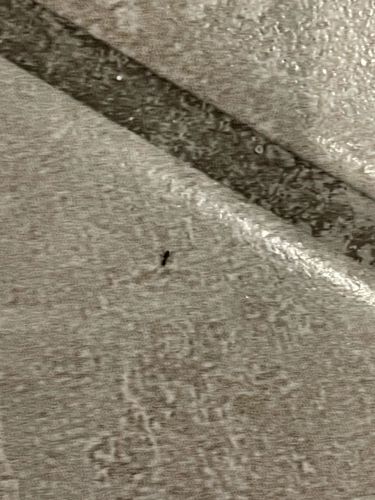
Community identification
Ant
Formicidae (Family)
- Order & Family
- Hymenoptera, Formicidae
- Size
- Most worker ants range from 0.75 mm to 15 mm, though size varies significantly by species.
Natural Habitat
Widely distributed across the globe; typically found in soil, under rocks, in wood, or occasionally nesting indoors near food and water sources.
Diet & Feeding
Omnivorous and opportunistic feeders; they eat a variety of foods including sugar (nectar and honeydew), proteins (other insects), and fats.
Behavior Patterns
Eusocial insects living in structured colonies with specialized castes (queen, workers, males). They utilize pheromone trails to communicate and forage for food collectively.
Risks & Benefits
Benefits include aeration of soil and control of other pest populations. Risks include indoor infestations of food supplies, structural damage (as with carpenter ants), or painful stings depending on the specific species.