
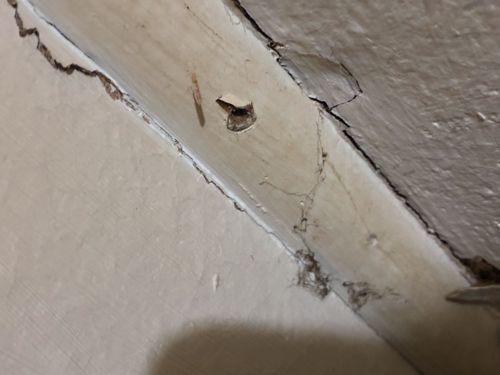
Ants (specifically, evidence of ant trails)
Formicidae
- Order & Family
- Hymenoptera, Formicidae
- Size
- 1 mm to 50 mm (depending on species)
Natural Habitat
Ants are found in nearly all terrestrial habitats worldwide, from forests and grasslands to urban environments. They build nests in soil, wood, under rocks, or within structures.
Diet & Feeding
Highly varied, depending on the species. Many are omnivorous, feeding on nectar, seeds, fungi, insects (live or dead), and household scraps. Some species specialize in certain foods.
Behavior Patterns
Ants are highly social insects that live in colonies ranging from a few dozen to millions. They exhibit complex social structures with distinct castes (queen, workers, males). Workers forage for food, care for the young, and maintain the nest, often forming visible trails (as seen in the image) as they travel between a food source and the nest.
Risks & Benefits
Risks: Some species can be household pests, contaminating food, causing structural damage (e.g., carpenter ants), or delivering painful stings/bites. Benefits: Ants play important ecological roles as predators, scavengers, seed dispersers, and soil aerators.