
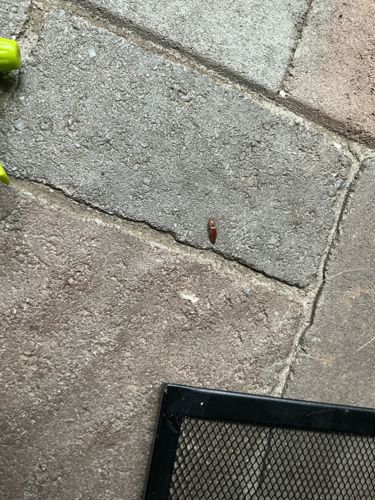
German Cockroach
Blattella germanica
- Order & Family
- Blattodea, Ectobiidae
- Size
- 1.1 to 1.6 cm (0.43 to 0.63 inches) in length
Natural Habitat
Prefers warm, humid environments, commonly found indoors in kitchens, bathrooms, and other areas where food and moisture are readily available. They can also be found outdoors in warm climates.
Diet & Feeding
Omnivorous scavengers, eating almost anything organic, including food scraps, grease, pet food, and even non-food items like paper or glue.
Behavior Patterns
Cockroaches are primarily nocturnal, hiding in dark, secluded areas during the day and emerging at night to forage for food. They are fast runners and can squeeze into tight spaces. They lay egg cases (oothecae) which contain multiple eggs.
Risks & Benefits
Potential Risks: Known to be vectors for pathogens, including bacteria (e.g., Salmonella, E. coli) and viruses, that can cause food poisoning and other diseases. Their droppings and shed skins can trigger allergies and asthma in sensitive individuals. They can contaminate food and surfaces. Potential Benefits: In some ecosystems, they can be part of the detritivore community, breaking down organic matter, but this benefit is largely overshadowed by their pest status in urban environments.