
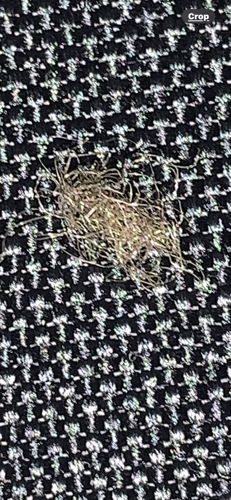
Lichen bagworm or similar bagworm moth larva
Psychidae (a specific species would require more detail, e.g., 'Phereoeca uterella' is a common household species)
- Order & Family
- Order: Lepidoptera, Family: Psychidae
- Size
- Larval case size varies significantly by species, typically 1 to 5 cm (0.4 to 2 inches) in length. The larva inside is smaller.
Natural Habitat
Bagworm larvae construct cases from silk and environmental materials (like lichen, plant debris, or even small fabric fibers). They are found in diverse environments including trees, shrubs, homes, and other structures.
Diet & Feeding
Mostly herbivorous, feeding on plant material such as leaves, needles, or lichen. Some species are detritivores, consuming dead organic matter. In homes, they might feed on pet hair, wool, silk, or dust.
Behavior Patterns
The larva lives within a protective case it builds, often camouflaged with surrounding materials. It carries this case as it feeds and grows. When ready to pupate, it seals the case. Adult males are winged; adult females are often wingless and remain inside or near their cases. This image likely shows the case of a bagworm larva.
Risks & Benefits
Risks: Can be pests in gardens, forests, or homes, causing defoliation of plants or damage to natural fibers. Benefits: Some species aid in decomposition, and they can be a food source for birds and other predators.