
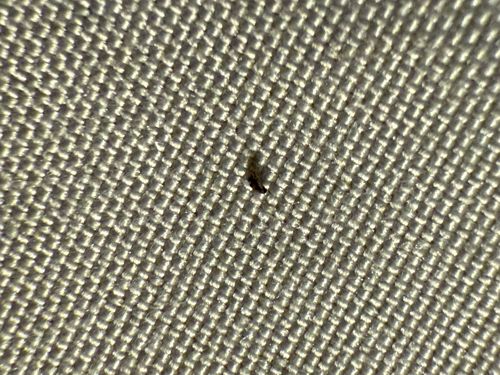
Fungus Gnat
Bradysia spp. or Sciara spp. (various genera in Sciaridae and Mycetophilidae)
- Order & Family
- Order: Diptera, Families: Sciaridae, Mycetophilidae
- Size
- 2-8 mm (adults)
Natural Habitat
Damp, rich soil, often found near houseplants, greenhouses, or other environments with consistently moist organic matter. Adults are attracted to light.
Diet & Feeding
Larvae feed on fungi, decaying organic matter, and sometimes plant roots (especially primary roots and root hairs of seedlings). Adults do not feed or feed on liquids.
Behavior Patterns
Adults are weak fliers and are often seen walking or flying near the surface of soil or on plant leaves. They lay eggs in moist soil. The larval stage is subterranean, followed by pupation in the soil.
Risks & Benefits
Potential risks include being a nuisance, especially in large numbers. Larvae can damage seedlings and young plants by feeding on roots, which can lead to wilting and stunted growth. Generally not harmful to humans directly, but can be an indicator of overwatering or excessive organic matter decay. No significant benefits known within a typical home or garden context.