
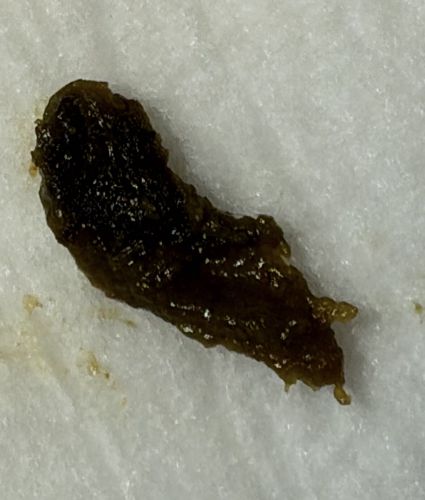
Slug (fecal matter)
N/A (Biological waste)
- Order & Family
- Order: Stylommatophora (if source is a slug), various families
- Size
- Varies by the size of the animal, typically 5mm to 20mm in length.
Natural Habitat
Gardens, damp plant pots, greenhouses, compost bins, or any area with high humidity where mollusks are active.
Diet & Feeding
Consists of digested organic matter, including living plants, decaying vegetation, fungi, and occasionally animal matter.
Behavior Patterns
This is not a living insect but the excretion of a gastropod (snail or slug). It indicates the nearby presence of slugs or snails, which are active mostly at night or during wet weather. The distinct coiled or elongated shape is typical of mollusk droppings.
Risks & Benefits
Risks: Can carry parasites like the lungworm (Angiostrongylus vasorum) harmful to dogs, or carry bacteria like Salmonella or E. coli if the slug moved over contaminated areas. Benefits: As part of the nutrient cycle, it returns processed organic matter to the soil.