
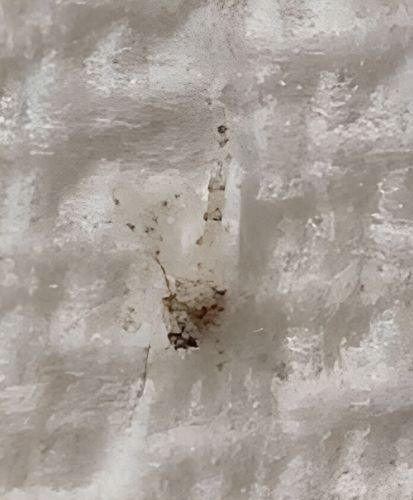
Case-bearing Clothes Moth
Tinea pellionella
- Order & Family
- Order: Lepidoptera, Family: Tineidae
- Size
- Larvae: up to 10-12 mm long. Adults: wingspan of 9-16 mm.
Natural Habitat
Indoors, in dark, undisturbed areas where animal-based textiles are stored, such as closets, attics, storage chests, and under furniture. They are often found on woolens, upholstered furniture, rugs, and fur.
Diet & Feeding
Larvae feed primarily on natural fibers of animal origin, such as wool, silk, fur, feathers, and felt. They may also consume synthetic blends if natural fibers are present.
Behavior Patterns
Case-bearing clothes moth larvae are known for spinning a silk case, often incorporating fibers from their food source, which they carry with them as they move and grow. This case provides protection. Adults are nocturnal, weak fliers, and are often seen crawling or running. They prefer dark, undisturbed areas.
Risks & Benefits
Risks: Significant pest of textiles, causing damage to clothing, carpets, and other items made from natural fibers. They do not bite or transmit diseases. Benefits: None apparent from a human perspective; in natural ecosystems, they play a minor role in decomposition of animal remains.