
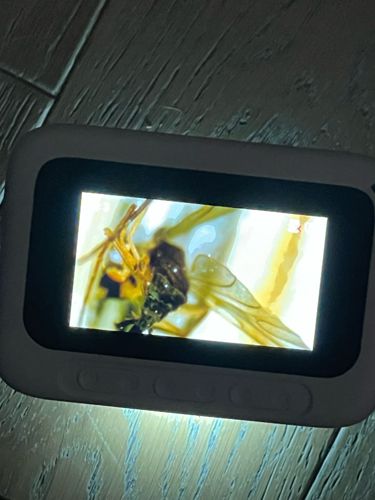
Community identification
Crane Fly
Tipulidae (Family)
- Order & Family
- Order Diptera, Family Tipulidae
- Size
- Typically 10 mm to 65 mm (0.4 to 2.5 inches) wingspan, depending on species.
Natural Habitat
Found worldwide in moist environments such as meadows, forests, marshes, and near freshwater sources; often seen indoors attracted to lights.
Diet & Feeding
Adults mostly do not feed or drink nectar; larvae (leatherjackets) eat decaying organic matter, plant roots, and fungi.
Behavior Patterns
Adults are active from spring to autumn, primarily at dusk. They have a very short lifespan (a few days) focused on mating. They are often mistaken for giant mosquitoes but do not bite.
Risks & Benefits
Harmless to humans as they lack biting mouthparts. Larvae are beneficial decomposers but can occasionally damage turf or crops if present in high numbers.