
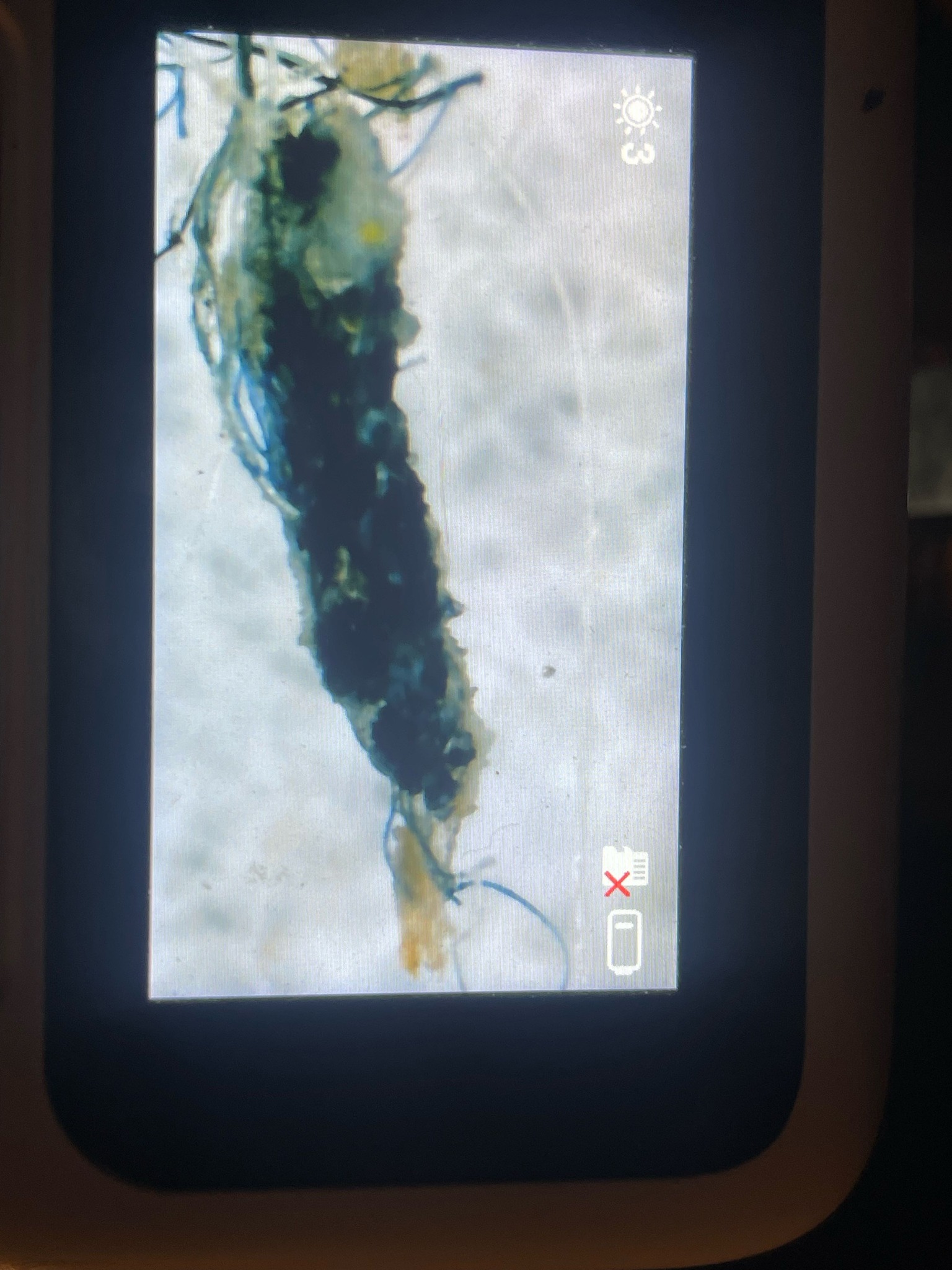
Community identification
Case-bearing Clothes Moth (Larva)
Tinea pellionella
- Order & Family
- Order: Lepidoptera; Family: Tineidae
- Size
- Larvae are generally 6-10 mm in length; their silken cases can be slightly larger.
Natural Habitat
Typically found indoors in dark, undisturbed areas such as closets, beneath furniture, and inside carpets or storage boxes.
Diet & Feeding
Larvae eat keratin-based organic fibers including wool, fur, hair, feathers, silk, and sometimes lint or dust containing skin cells.
Behavior Patterns
The larva constructs a portable silken tube or 'case' incorporating debris and fibers from its food source. It carries this case while feeding and eventually pupates inside it. Unlike other moths, they prefer crawling to flying and avoid light.
Risks & Benefits
They are a significant domestic pest that can cause extensive damage to clothing, upholstery, and heirloom textiles. They do not bite humans or pose a direct health risk, but they are economically harmful to fabrics.