
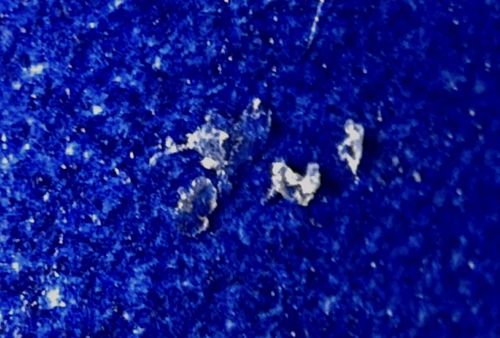
Community identification
Pubic louse
Pthirus pubis
- Order & Family
- Order Psocodea, Family Pthiridae
- Size
- 1.1 to 1.8 millimeters in length
Natural Habitat
Exclusively found on human hosts, primarily in the pubic hair region, but occasionally in other coarse body hair like chest hair, beard, or eyelashes.
Diet & Feeding
Obligate hematophages; they feed exclusively on human blood several times a day.
Behavior Patterns
They are sedentary and move very little once attached to a hair shaft. They undergo three nymphal stages before reaching adulthood and require a human host to survive, typically dying within 24-48 hours if removed.
Risks & Benefits
Causes intense itching (pruritus) and blue spots at feeding sites (maculae caeruleae). They do not transmit diseases but their presence indicates an infestation that usually requires medical treatment. They provide no known ecological benefit.