
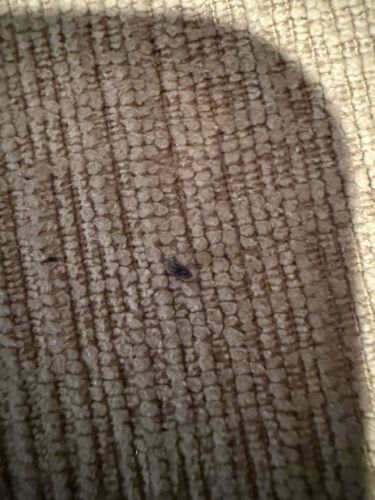
Flea
Siphonaptera (order); examples include Ctenocephalides felis (cat flea), Pulex irritans (human flea)
- Order & Family
- Order Siphonaptera
- Size
- 1.5 mm to 3.3 mm (0.06 to 0.13 inches)
Natural Habitat
Fleas primarily live on and feed on the blood of mammals and birds. They are often found in pet bedding, carpets, cracks in floors, and other sheltered areas within homes where hosts reside. Wild fleas can be found in nests and burrows of their hosts.
Diet & Feeding
Adult fleas are obligate hematophagous parasites, meaning they feed exclusively on the blood of their hosts (mammals and birds). Larvae feed on organic debris, including adult flea feces ('flea dirt') which contains undigested blood.
Behavior Patterns
Fleas are wingless insects known for their exceptional jumping ability, which they use to get onto hosts. They have a complete metamorphosis (egg, larva, pupa, adult). Females lay eggs after a blood meal; eggs fall off the host into the environment. Larvae hatch and feed in dark, humid places. They then pupate in a cocoon, emerging as adults when they detect a suitable host (vibrations, body heat, CO2). Adults can live for several months if they have regular blood meals.
Risks & Benefits
Potential risks include causing intense itching, allergic reactions (flea allergy dermatitis) in pets, and anemia in heavy infestations. Fleas are also vectors for various diseases, such as murine typhus and plague (transmitted by Oriental rat flea, Xenopsylla cheopis), and can transmit tapeworm (Dipylidium caninum) to pets and humans. There are no known direct benefits of fleas to humans, and their ecological role is primarily as a parasite and disease vector.