
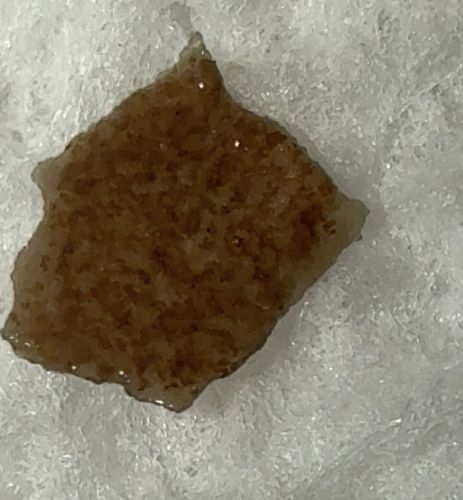
Community identification
Fruit fly or House fly pupa (casing)
Diptera (unidentified genus/species)
- Order & Family
- Order: Diptera, Family: Drosophilidae or Muscidae
- Size
- 2mm to 8mm in length
Natural Habitat
Typically found near decomposing organic matter, garbage, kitchens, or moist drain areas.
Diet & Feeding
As larvae (maggots), they consume decaying organic matter, bacteria, and yeast; as pupae, they do not feed.
Behavior Patterns
This represents the transitional stage between larva and adult. The casing (puparium) hardens and turns brown to protect the developing insect inside.
Risks & Benefits
While the pupae are harmless, the resulting adult flies can be nuisance pests and vectors for bacteria if they land on food. They benefit the ecosystem by breaking down organic waste.