
Fruit fly
Drosophila melanogaster
- Order & Family
- Order: Diptera, Family: Drosophilidae
- Size
- 3 to 4 mm in length
Natural Habitat
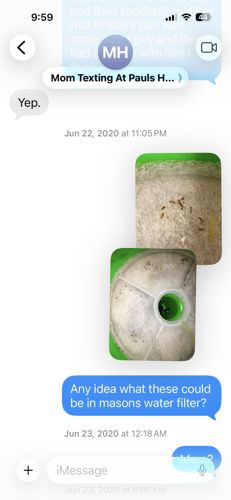
Commonly found in residential kitchens, bathrooms, and near sources of damp organic matter such as sink drains, garbage disposals, and water filtration systems.
Diet & Feeding
Larvae feed on microbial growth (yeast and bacteria) found in fermenting organic matter; adults feed on ripening or rotting fruits and vegetables, and slimy films of organic material.
Behavior Patterns
Fruit flies are highly attracted to moist environments and fermented smells. They have a very rapid life cycle, progressing from egg to adult in about 8-10 days, and are capable of laying hundreds of eggs in a short time.
Risks & Benefits
While they do not bite, they are considered a nuisance and a sanitation risk. They can transport bacteria and pathogens from contaminated surfaces (like trash or drains) onto food-contact surfaces or drinking water components. They do not provide significant benefits in a domestic setting.