
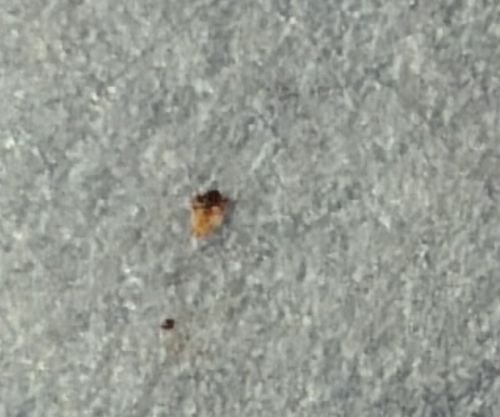
Bed Bug
Cimex lectularius
- Order & Family
- Order: Hemiptera, Family: Cimicidae
- Size
- Adults are approximately 4-5 mm long (about the size of an apple seed); nymphs range from 1 mm to 4 mm.
Natural Habitat
Almost exclusively found indoors in close proximity to human sleeping areas. Common hiding spots include mattress seams, box springs, bed frames, headboards, electrical outlets, luggage, and cracks in furniture or walls.
Diet & Feeding
Hematophagous (blood-feeders). They feed exclusively on the blood of warm-blooded animals, primarily preferring humans.
Behavior Patterns
Nocturnal and cryptic, emerging at night to feed on sleeping hosts. They are attracted to carbon dioxide and body heat. They do not fly or jump but crawl quickly. Known for clustering in harborages where they lay sticky white eggs.
Risks & Benefits
Risks: Their bites cause itchy red welts, allergic reactions, anxiety, and insomnia. While not known to transmit disease effectively to humans, heavy infestations can cause anemia. They are notorious psychological stressors and are difficult and expensive to eradicate. Benefits: None known.