
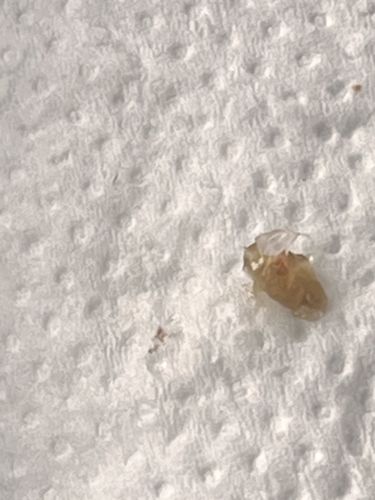
Fruit fly
Drosophila melanogaster
- Order & Family
- Order: Diptera; Family: Drosophilidae
- Size
- 3 to 4 mm (about 1/8 inch) in length
Natural Habitat
Typically found in homes, grocery stores, and food processing plants, especially near ripening or fermenting fruits and vegetables.
Diet & Feeding
Larvae and adults primarily feed on the fungi and bacteria (yeast) associated with decaying or fermenting organic matter.
Behavior Patterns
Fruit flies are known for their rapid reproduction cycle. They lay eggs on the surface of fermenting foods or other moist organic materials. They are most active during the day and are highly attracted to the smell of fermentation.
Risks & Benefits
Generally considered a nuisance pest in homes. While they do not bite or sting, they can potentially transfer bacteria and pathogens from dirty surfaces onto food. In science, they are highly beneficial as a primary model organism for genetic and developmental research.