
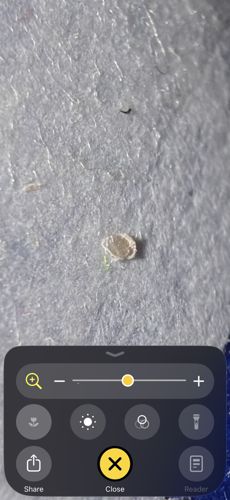
Community identification
Bed Bug (Egg)
Cimex lectularius
- Order & Family
- Hemiptera: Cimicidae
- Size
- Approximately 1 mm in length (the size of a grain of salt or two grains of sugar).
Natural Habitat
Inhabits human dwellings, specifically tucked into cracks, crevices, mattress seams, and headboards near sleeping areas.
Diet & Feeding
As eggs, they do not feed; upon hatching, nymphs and adults are hematophagous, feeding exclusively on the blood of humans and other warm-blooded animals.
Behavior Patterns
Eggs are laid by females in clusters and glued to surfaces with a sticky substance. They typically hatch in 6 to 10 days. The presence of eggs indicates an active, breeding infestation.
Risks & Benefits
Risks include physical discomfort from bites, allergic reactions, secondary skin infections from scratching, and psychological distress/insomnia. They are considered a significant public health pest, though they are not known to transmit diseases to humans.