
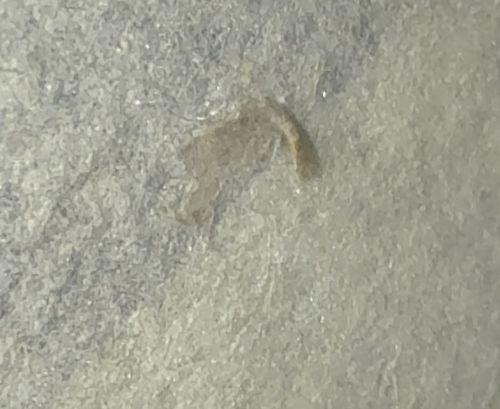
Case-bearing clothes moth larva
Tinea pellionella
- Order & Family
- Order: Lepidoptera; Family: Tineidae
- Size
- Larvae are typically 5 mm to 10 mm in length; the protective case is usually slightly larger than the larva.
Natural Habitat
Indoor environments, particularly in dark, undisturbed areas like closets, under furniture, or rugs, where there are natural animal fibers.
Diet & Feeding
Keratin-rich animal fibers including wool, silk, fur, feathers, and hair. They can also feed on carpet, upholstery, and occasionally stored grains.
Behavior Patterns
Larvae weave a portable silk case incorporated with fibers from the material they are eating, which they carry around as they feed. They are generally photophobic, preferring dark corners, and often pupate in cracks and crevices or on ceilings.
Risks & Benefits
They are a significant indoor pest that can cause extensive damage to clothing, carpets, and heritage textiles. They do not pose a direct health risk to humans but can be difficult to eradicate once established.