
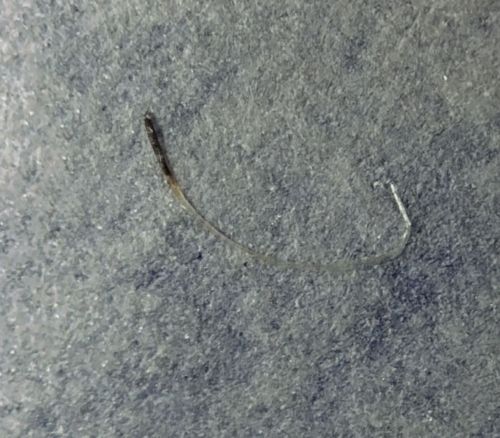
Fungus Gnat Larva
Family Sciaridae (common genera include Bradysia)
- Order & Family
- Order: Diptera; Family: Sciaridae
- Size
- typically 3 mm to 8 mm in length
Natural Habitat
Damp soil rich in organic matter, potting soil of houseplants, greenhouses, compost heaps, and areas with decaying vegetation or fungal growth.
Diet & Feeding
Primarily feeds on fungi, decaying organic matter, and algae found in soil; in large numbers, they may consume plant roots and root hairs, particularly of seedlings.
Behavior Patterns
Larvae live in the top 2-3 inches of moist soil. They are translucent, legless, and worm-like with a shiny black head capsule. They eventually pupate near the soil surface to emerge as small, mosquito-like adult flies.
Risks & Benefits
Risks: Major pest for houseplants and nurseries; feeding can damage root systems, causing yellowing, wilting, or stunting of plants, and they can spread plant diseases (like Pythium). Benefits: In wild ecosystems, they act as decomposers, breaking down organic material.