
Bed Bug
Cimex lectularius
- Order & Family
- Order: Hemiptera, Family: Cimicidae
- Size
- Adults are typically 4-5 mm (about 3/16 inch) long, about the size of an apple seed. Nymphs (juveniles) are smaller.
Natural Habitat
Dwellings where humans reside, particularly bedrooms. Commonly found in mattresses, box springs, bed frames, headboards, cracks in walls, furniture, and luggage, especially in areas with high human traffic like homes, hotels, dormitories, and apartments.
Diet & Feeding
Strictly hematophagous, meaning they feed exclusively on the blood of warm-blooded animals, primarily humans.
Behavior Patterns
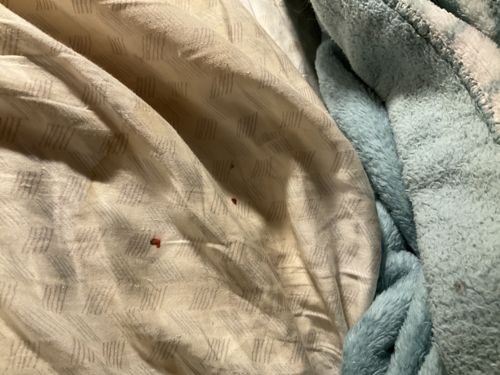
No insect is directly visible in the images. However, the small red bloodstains on the bedding are highly indicative of bed bug activity. Bed bugs (Cimex lectularius) are nocturnal, hiding during the day in cracks and crevices in and around beds, such as mattress seams, box springs, bed frames, headboards, and bedside furniture. They emerge at night to feed on sleeping hosts. The blood spots (fecal smears, squashed bugs, or bites) are a common sign of their presence.
Risks & Benefits
Risks: Bed bugs do not transmit diseases in humans, but their bites can cause itchy welts, leading to skin irritation, allergic reactions, and secondary skin infections from scratching. Their presence can also cause significant psychological distress, anxiety, and sleep deprivation. Benefits: None for humans; they are generally considered pests.