
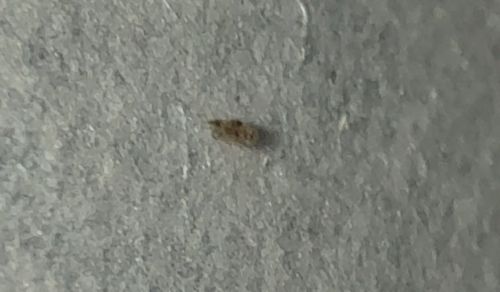
Case-bearing Clothes Moth (Larva)
Tinea pellionella
- Order & Family
- Order: Lepidoptera, Family: Tineidae
- Size
- Larval case is typically 5mm to 10mm in length.
Natural Habitat
Typically found indoors in closets, carpets, and areas where natural fibers like wool, silk, or fur are stored. They thrive in dark, undisturbed locations.
Diet & Feeding
The larvae feed on keratin-rich natural fibers such as wool, fur, feathers, hair, felt, and sometimes stored food products. They do not eat synthetic fabrics unless they are blended with natural fibers or soiled.
Behavior Patterns
The larva constructs a portable, silken tube or 'case' around itself, often camouflaged with fibers from the material it is eating. It drags this case around as it moves and can turn around inside it to feed from either end. They eventually pupate inside the case.
Risks & Benefits
Risks: They are considered a household pest because the larvae chew holes in clothing, carpets, rugs, and upholstery made of natural fibers. Benefits: In nature, they help break down animal matter like feathers and carcasses, serving as decomposers.