
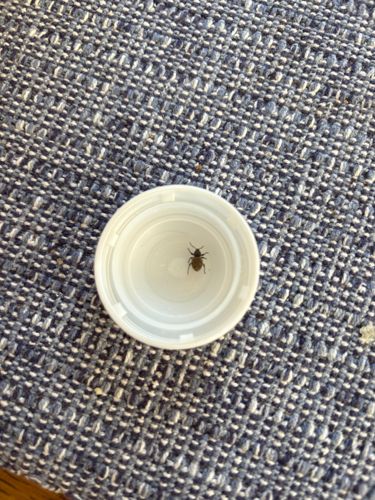
Deer Tick / Black-legged Tick
Ixodes scapularis
- Order & Family
- Ixodida (Order of Ticks and Mites) / Ixodidae (Family of Hard Ticks)
- Size
- Larvae: <1mm; Nymphs: ~1-2mm (size of a poppy seed); Adults: ~2-3mm (unfed), up to 10-15mm (fed)
Natural Habitat
Wooded areas, tall grasses, brush, and leaf litter. They are often found in suburban and rural areas bordering these habitats.
Diet & Feeding
Blood of mammals (especially deer), birds, and other animals. Humans are accidental hosts.
Behavior Patterns
Deer ticks go through four life stages: egg, larva, nymph, and adult. They require a blood meal at each active stage (larva, nymph, adult) to progress to the next. Nymphs and adults are the most likely stages to transmit Lyme disease. They quest by climbing onto blades of grass or other vegetation and waiting for a host to pass by.
Risks & Benefits
Potential Risks: Primary vector for Lyme disease, anaplasmosis, babesiosis, Powassan virus, and other tick-borne illnesses. Bites can also cause localized irritation. Potential Benefits: While ticks often carry diseases, they are part of the food chain for some animals, though their ecological benefit is generally outweighed by their roles as disease vectors.