
Community identification
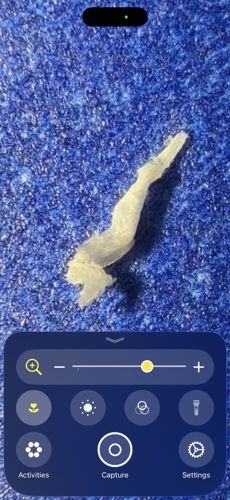
Case-bearing clothes moth (larva)
Tinea pellionella
- Order & Family
- Lepidoptera: Tineidae
- Size
- 8 mm to 12 mm for the larval case.
Natural Habitat
Indoor environments, specifically closets, wardrobes, and upholstery where natural fibers are stored.
Diet & Feeding
Keratin-based materials including wool, fur, feathers, hair, and silk, as well as dead insects and plant debris.
Behavior Patterns
The larva constructs a protective silken case incorporating fibers from its food source, which it carries while feeding and eventually uses for pupation.
Risks & Benefits
Pests that cause significant damage to clothing, rugs, and textile collections; no direct health risk to humans but economically destructive.