
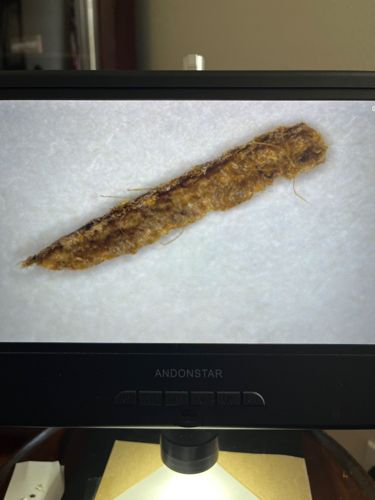
Bagworm Moth Larva (Casemaking stage)
Psychidae family (various species)
- Order & Family
- Lepidoptera, Psychidae
- Size
- 1 cm to 15 cm depending on species and age
Natural Habitat
Found globally on various host plants, including coniferous and deciduous trees, as well as on walls or structures near vegetation.
Diet & Feeding
Larvae are herbivorous, feeding on the leaves and needles of host plants like cedars, junipers, and arborvitae.
Behavior Patterns
Larvae construct a protective silk case incorporating environmental debris (twigs, leaves, soil). They live inside this case, extending their heads to feed and dragging the case with them. Females often remain wingless and never leave the case, even to mate.
Risks & Benefits
They are considered a significant horticultural pest; heavy infestations can completely defoliate and kill host trees. They pose no direct physical risk to humans but can cause aesthetic and economic damage to landscapes.