
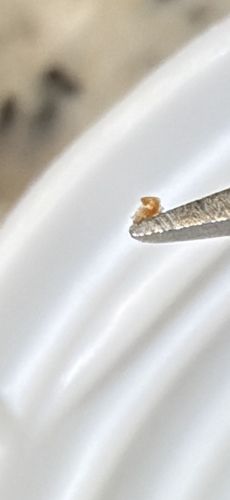
Community identification
Cat Flea
Ctenocephalides felis
- Order & Family
- Siphonaptera, Pulicidae
- Size
- 1.5 to 4 mm in length
Natural Habitat
Commonly found on mammals like cats and dogs, and in their surroundings such as bedding, carpets, and cracks in floors.
Diet & Feeding
Hematophagous (blood-feeder). Adults consume the blood of host mammals; larvae feed on organic debris and adult flea feces ('flea dirt').
Behavior Patterns
Fleas are wingless and rely on powerful hind legs to jump onto hosts. They are highly active and reproduce rapidly; a single female can lay up to 50 eggs per day. They undergo a complete metamorphosis: egg, larva, pupa, and adult.
Risks & Benefits
Risks include skin irritation, allergic dermatitis, and the transmission of tapeworms or pathogens like those causing murine typhus. They offer no significant ecological benefits to human environments and are considered pests.