
Community identification
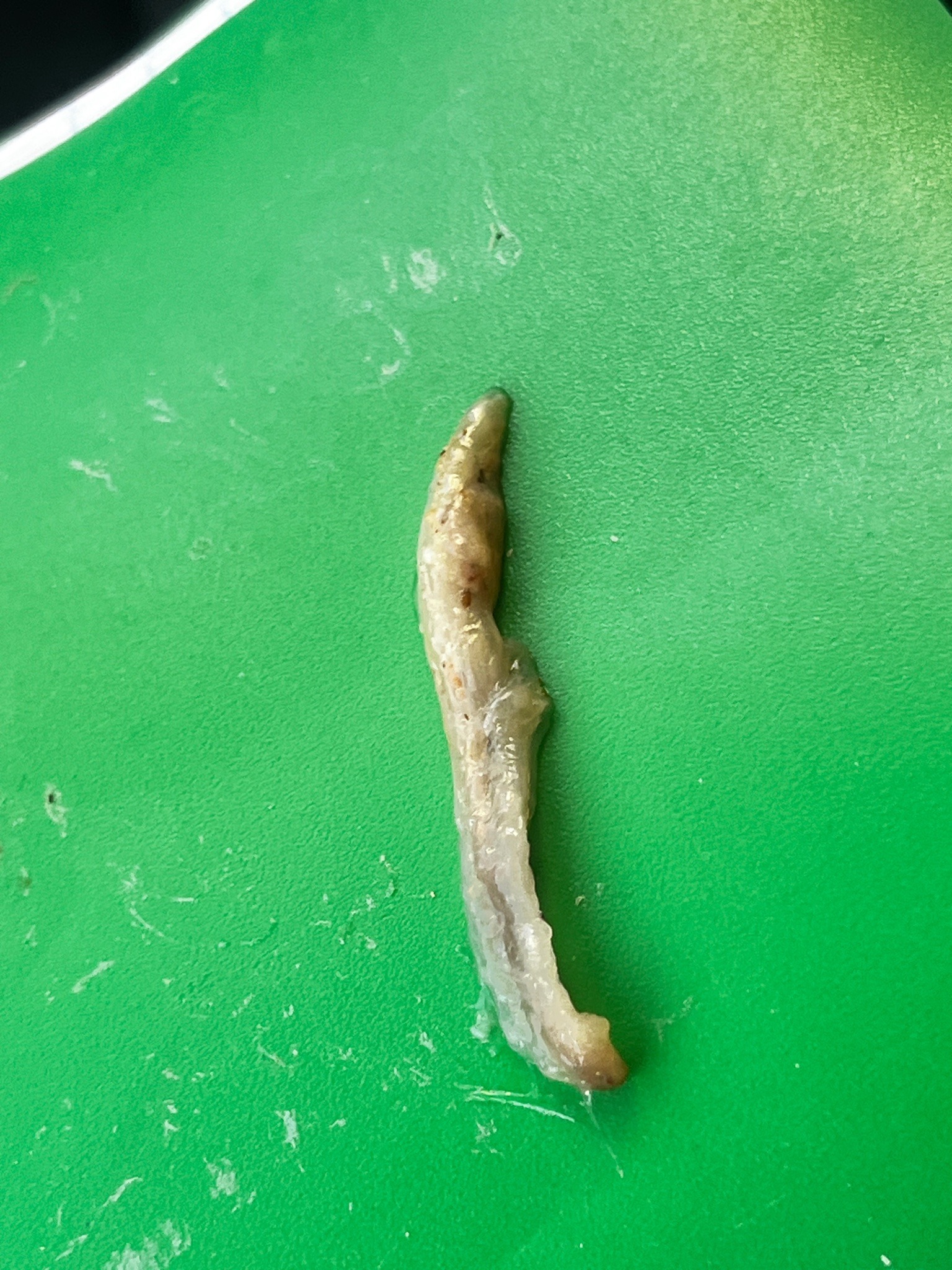
Crane Fly Larva (Leatherjacket)
Tipulidae family
- Order & Family
- Order: Diptera, Family: Tipulidae
- Size
- 2 cm to 6 cm in length depending on the species and growth stage.
Natural Habitat
Moist soils, decaying organic matter, leaf litter, and occasionally aquatic or semi-aquatic environments.
Diet & Feeding
Mostly decaying vegetation, plant roots, and organic debris; some species are predatory or eat algae.
Behavior Patterns
They are typically active at night or in damp conditions, burrowing through the soil or substrate. They undergo a complete metamorphosis with four larval stages before pupating into adult crane flies.
Risks & Benefits
Benefits include aerating the soil and breaking down organic matter; however, large populations can become pests by damaging lawn roots and crops. They are also a vital food source for birds and other wildlife.