
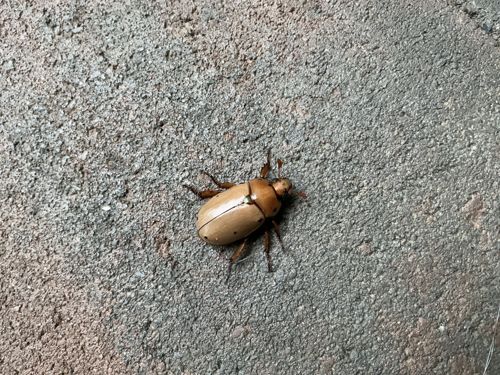
June Bug, May Beetle, or June Beetle
Phyllophaga spp. (a genus within the family Scarabaeidae)
- Order & Family
- Order: Coleoptera, Family: Scarabaeidae
- Size
- 1/2 to 1 inch (12 to 25 mm) in length
Natural Habitat
June bugs are commonly found in grassy areas, lawns, gardens, agricultural fields, wooded areas, and suburban environments. The larvae live underground in the soil.
Diet & Feeding
Adult June bugs feed on the leaves of various trees and shrubs, including oak, maple, birch, and fruit trees. Larvae (grubs) feed on the roots of grasses, ornamental plants, and vegetable crops.
Behavior Patterns
Adult June bugs are attracted to lights at night and are active flyers, often bumping into windows or screens. They are nocturnal. Larvae (grubs) live in the soil and feed on plant roots. Adult lifespan is relatively short, often just a few weeks. The life cycle can take 1-3 years depending on the species and environmental conditions.
Risks & Benefits
Risks: Larvae (grubs) can be significant pests of lawns and crops, causing damage by feeding on roots which can lead to brown patches in lawns or stunted plant growth. Adult beetles can cause minor defoliation of trees and shrubs, though significant damage is less common. They do not bite or sting humans. Benefits: As part of the ecosystem, they serve as a food source for various birds and mammals.