
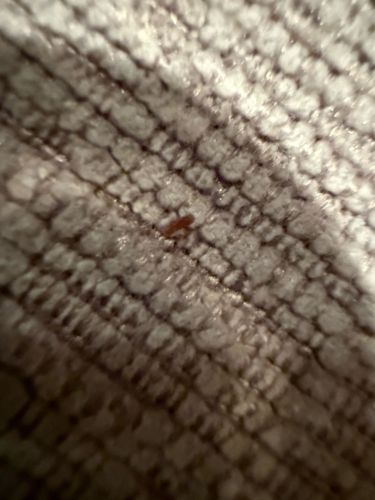
Bird Mite
Dermanyssus gallinae (most common)
- Order & Family
- Mesostigmata (order), Macronyssidae (family)
- Size
- 0.75 - 1.25 mm (adult)
Natural Habitat
Nests and roosting areas of birds (especially chickens, pigeons, wild birds). They may infest homes if their bird hosts (e.g., nesting birds in eaves, attics) are removed or leave, seeking new hosts like humans or pets inside the structure.
Diet & Feeding
Blood of birds. They are ectoparasites. When birds are unavailable, they may bite humans and pets, but cannot complete their life cycle on them.
Behavior Patterns
Nocturnal feeders, hiding in cracks and crevices during the day. They have a rapid life cycle (about 7 days under ideal conditions) and can survive for extended periods (months) without a blood meal. They are highly mobile and can crawl considerable distances to find hosts.
Risks & Benefits
Risks: Can cause intense itching, skin irritation, and discomfort from bites on humans and pets. They can transmit diseases among birds, but typically do not transmit diseases to humans. Benefits: None for humans; they are considered pests.