
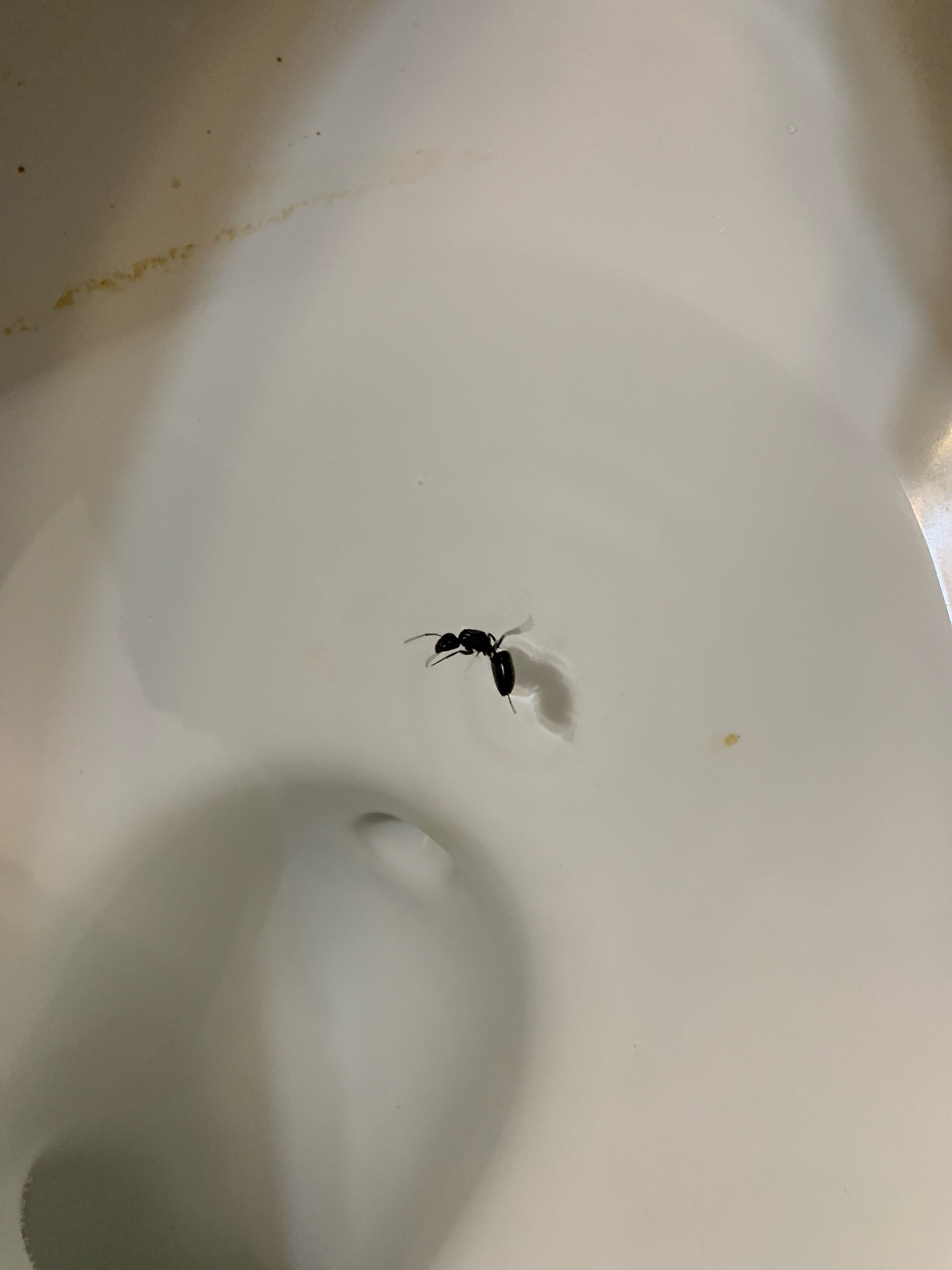
Carpenter Ant
Camponotus
- Order & Family
- Order: Hymenoptera, Family: Formicidae
- Size
- Workers vary from 6 to 13 mm in length; queens can reach up to 20 mm.
Natural Habitat
Typically found in forested areas, nesting in dead wood, hollow logs, or stumps; frequently found in homes within wood structures, especially those with moisture damage.
Diet & Feeding
Omnivorous; they eat plant juices, honeydew from aphids, other insects, and common household food such as sweets, meats, and fats.
Behavior Patterns
They do not eat wood but excavate it to build galleries for nesting. They are primarily nocturnal foragers and follow chemical trails to food sources. Large colonies may consist of a main parent colony and several satellite colonies.
Risks & Benefits
Risks include significant structural damage to homes if nests go untreated. They do not carry diseases but can deliver a painful bite if handled. Benefits include acting as decomposers in nature by breaking down decaying wood into soil.