
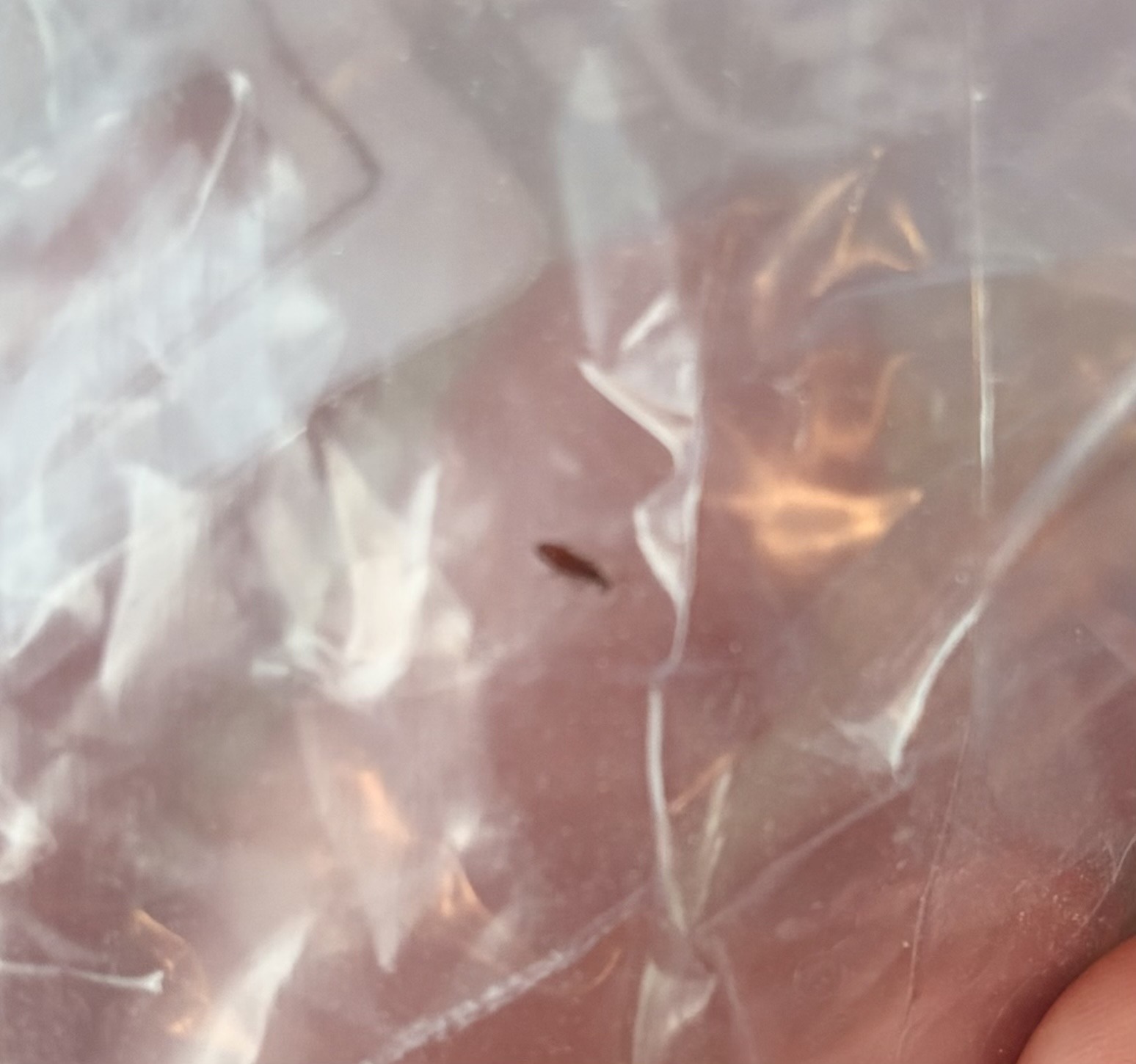
Flea
Siphonaptera (order); commonly Ctenocephalides felis or Ctenocephalides canis
- Order & Family
- Order Siphonaptera, Family Pulicidae
- Size
- 1.5 mm to 3.3 mm (about 1/16 to 1/8 inch)
Natural Habitat
Warm-blooded animal hosts (cats, dogs, wildlife, humans), carpets, bedding, and outdoor shaded soil or debris.
Diet & Feeding
Adults feed on the blood of mammals and birds; larvae feed on organic debris and flea dirt (adult flea feces).
Behavior Patterns
Wingless insects that travel by jumping using powerful hind legs. Females lay eggs on host animals that drop into the surrounding environment. They undergo complete metamorphosis (egg, larva, pupa, adult).
Risks & Benefits
Risks: Causes itchy bites, allergic dermatitis, anemia in severe infestations, and can transmit pathogens/parasites such as tapeworms or Bartonella. Benefits: No significant human or ecological benefit; primary function in ecosystems is as a parasite.