
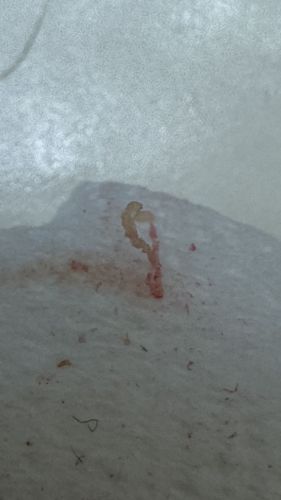
Bloodworm (Chironomid Larva)
Chironomidae (larvae)
- Order & Family
- Order Diptera, Family Chironomidae
- Size
- Larvae can range from a few millimeters to about 2.5 cm (1 inch) in length, depending on the species.
Natural Habitat
Typically found in aquatic environments, such as ponds, lakes, rivers, and sometimes even in damp soil. They often live in burrows they construct in the sediment.
Diet & Feeding
Primarily detritivores, feeding on organic debris, algae, and microorganisms in the sediment. Some species may also filter-feed from the water column.
Behavior Patterns
Bloodworms are the larval stage of non-biting midges. They get their name from their reddish color, which is due to hemoglobin in their blood, allowing them to survive in low-oxygen conditions. They are often found in high densities in polluted waters, as they are tolerant of low oxygen levels. They construct tubes of silk and sediment in which they live.
Risks & Benefits
Generally beneficial as they are an important food source for fish and other aquatic animals, helping to transfer energy up the food chain. They also play a role in nutrient cycling by consuming organic matter. High populations can sometimes indicate water pollution, but they do not pose direct risks to humans. While the adult midges can be a nuisance, they do not bite.