
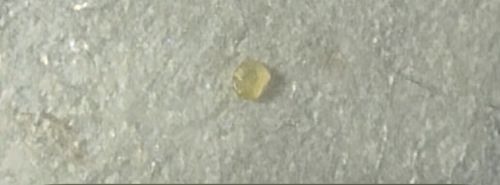
Community identification
Fruit Fly Larva/Egg
Drosophila melanogaster (Commonly)
- Order & Family
- Order: Diptera; Family: Drosophilidae
- Size
- Eggs are approximately 0.5 mm; Larvae grow from 0.5 mm to about 4 mm before pupation.
Natural Habitat
Typically found in moist environments with decaying organic matter, such as overripe fruit, drain sewers, or trash bins.
Diet & Feeding
Larvae feed on yeast and bacteria growing on fermenting fruits, vegetables, and other organic material.
Behavior Patterns
Rapid life cycle (8-10 days). Females lay hundreds of eggs on fermenting surfaces. Larvae burrow into the food source to eat before moving to a dry area to pupate.
Risks & Benefits
Generally considered a nuisance pest in homes. They do not bite but can mechanically transfer bacteria (like Salmonella) from dirty surfaces to fresh food. In science, they are highly beneficial as a model organism for genetic research.