
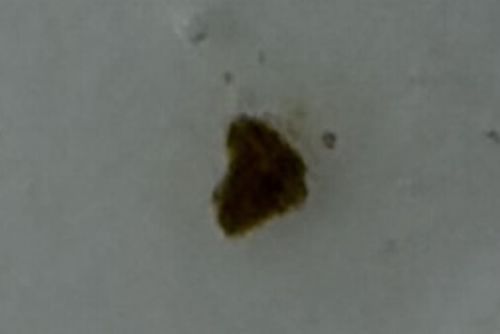
Case-bearing Clothes Moth Larva
Tinea pellionella
- Order & Family
- Order: Lepidoptera, Family: Tineidae
- Size
- Larval case length is typically 5 to 10 mm (0.2 to 0.4 inches). The adult moth is small with a wingspan of 9-16 mm.
Natural Habitat
Typically found indoors in dry, dark locations such as closets, carpet edges, under furniture, or on wool clothing. They thrive in areas where natural fibers (wool, silk, fur) are stored.
Diet & Feeding
The larvae feed on keratin-based animal fibers including wool, fur, silk, felt, feathers, and sometimes hair or pet dander found in dust bunnies.
Behavior Patterns
The larva builds and drags a protective, flattened, portable case around its body made of silk and fibers from the material it is eating. The case is open at both ends, allowing the larva to feed from one end and expel frass from the other. When threatened, the larva pulls completely inside the case.
Risks & Benefits
Risks: They are a significant household pest that can cause irreparable damage to expensive clothing, rugs, upholstery, and tapestries made of natural animal fibers. Benefits: No significant ecological benefit in a household setting, though in nature they help break down animal detritus.