
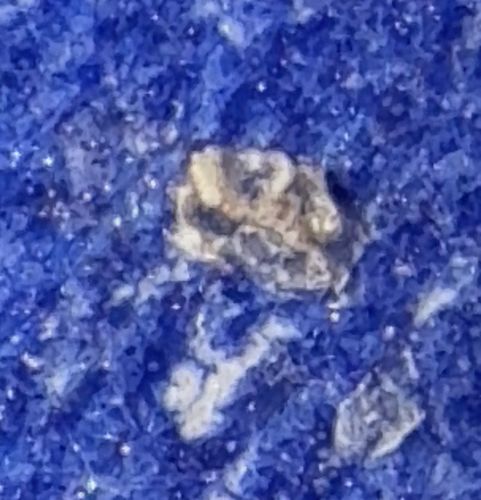
Case-bearing Clothes Moth Larva
Tinea pellionella
- Order & Family
- Order: Lepidoptera, Family: Tineidae
- Size
- Larvae are generally 5 to 10 mm (approx. 1/4 to 1/2 inch) long.
Natural Habitat
Typically found indoors in dark, quiet areas like closets, under furniture, in carpets, or near stored fabrics made of natural fibers (wool, fur, silk).
Diet & Feeding
Larvae feed on natural animal fibers such as wool, fur, feathers, silk, and sometimes hair or pet dander found in dust.
Behavior Patterns
The larva constructs a portable, silken tube-like case around its body, incorporating debris, fibers, and sand from its environment for camouflage. It drags this case along as it moves and feeds, eventually sealing it to pupate inside.
Risks & Benefits
Risks: It is a significant household pest that can damage clothing, carpets, upholstery, and tapestries made of natural materials. Benefits: In nature, they play a minor role as scavengers of keratin-rich animal remains, but inside homes, they offer no distinct benefits.