
Community identification
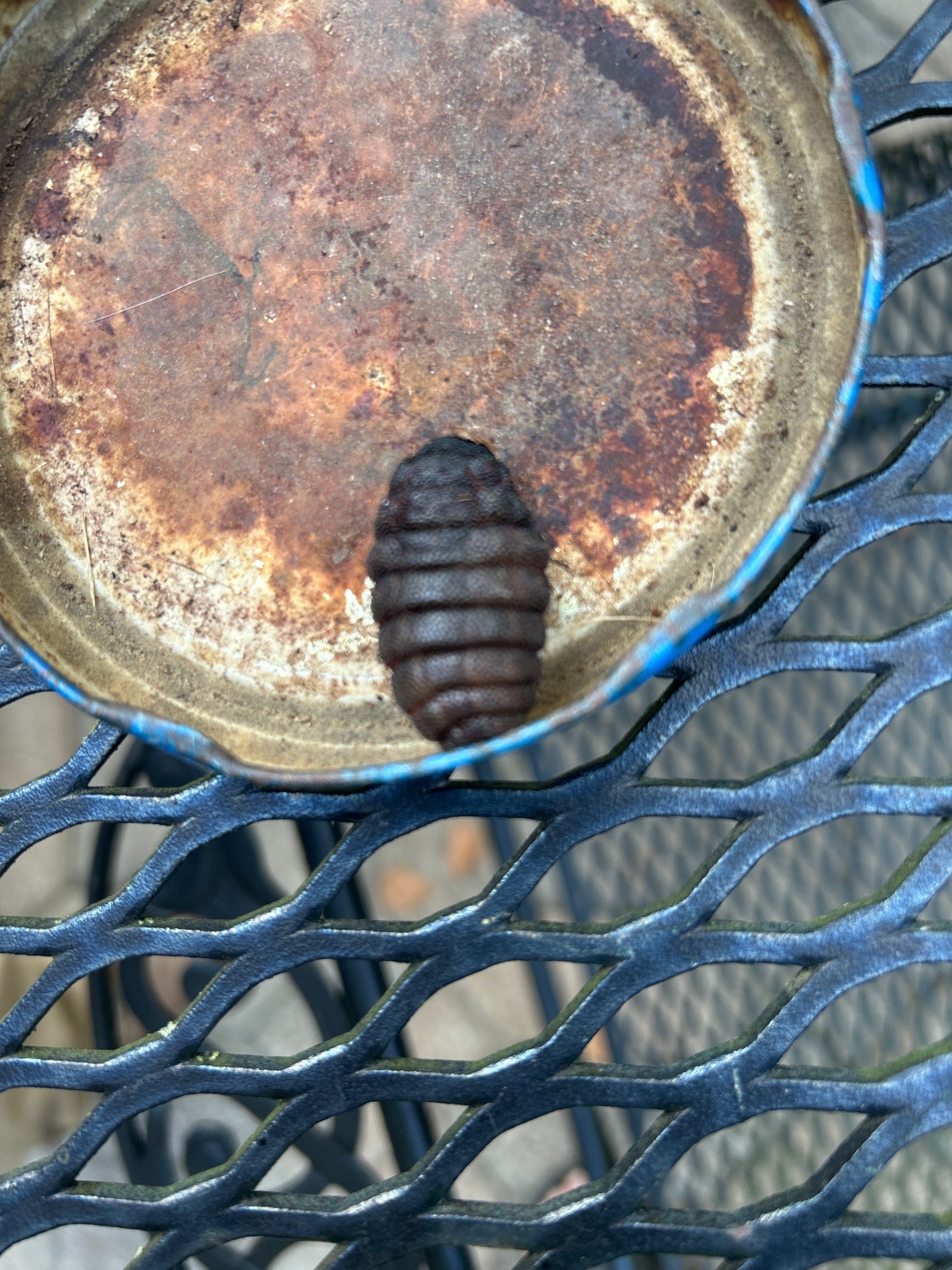
Rodent Bot Fly Larva
Cuterebra sp.
- Order & Family
- Order Diptera, Family Oestridae
- Size
- 20 mm to 30 mm in length during the late larval stage.
Natural Habitat
Typically found as parasites under the skin of small mammals like squirrels, rabbits, or mice in wooded or grassy areas.
Diet & Feeding
As larvae, they feed on the tissue fluids and inflammatory secretions of their mammalian hosts.
Behavior Patterns
Larvae develop in a subcutaneous cyst known as a 'warble' with a breathing hole in the host's skin. Once mature, they drop to the soil to pupate and eventually emerge as bumblebee-mimicking adult flies with no functional mouthparts.
Risks & Benefits
While they can cause physical discomfort or secondary infections in hosts, they are rarely fatal to healthy wildlife. Accidental human parasitism (myiasis) is rare but possible through contact with contaminated soil or vegetation; however, they do not spread diseases.