
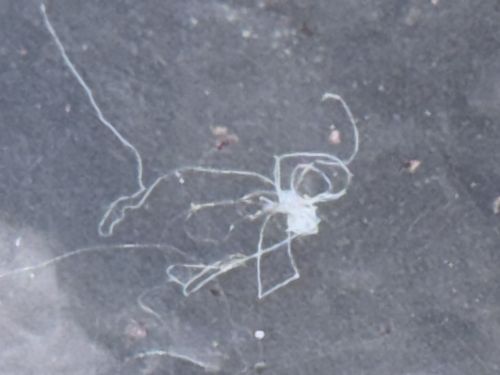
Ghost Pipefish (juvenile)
Solenostomus sp.
- Order & Family
- Syngnathiformes, Solenostomidae
- Size
- Adults can reach between 8-20 cm (3-8 inches), but juveniles as seen in the image are much smaller, often under 2 cm, and are highly translucent.
Natural Habitat
Tropical and subtropical marine waters, usually found transparently drifting near seagrass beds, coral reefs, or in open water with drifting debris.
Diet & Feeding
Mainly small crustaceans, particularly copepods, and other planktonic organisms, which they suck up with their elongated snouts.
Behavior Patterns
Ghost pipefish are masters of camouflage, and juveniles often mimic drifting detritus or seagrass blades to avoid predators. They are ambush predators, lying in wait for suitable prey to pass by. They exhibit parental care where the female carries the eggs in a brood pouch formed by modified pelvic fins until they hatch.
Risks & Benefits
They pose no known risks to humans. Ecologically, they are a small component of marine food webs and serve as an indicator of healthy, diverse marine ecosystems. Their unique camouflage and reproductive strategies make them subjects of scientific interest.