
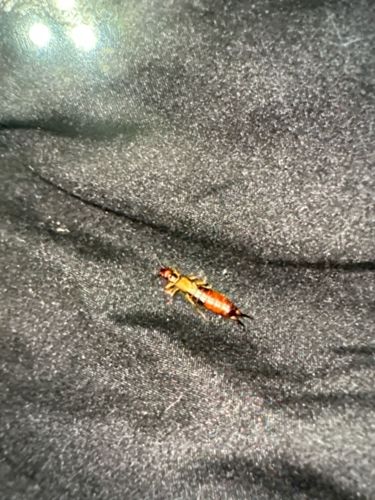
Earwig
Dermaptera (order), various genera and species (e.g., Forficula auricularia for European earwig)
- Order & Family
- Order: Dermaptera, Family: Forficulidae (common earwigs)
- Size
- Typically 5mm to 25mm (0.2 to 1 inch) long, though some tropical species can be larger.
Natural Habitat
Damp, dark, and cool places, including under rocks, logs, leaf litter, mulch, potted plants, and inside homes (especially in bathrooms, kitchens, and basements). They are often found in gardens and can be attracted to outdoor lights.
Diet & Feeding
Opportunistic omnivores. They feed on a variety of organic matter including decaying plant material, fungi, algae, moss, soft-bodied insects (aphids, maggots, slugs), and occasionally fruits, vegetables, and flowers. Some species can be predatory.
Behavior Patterns
Nocturnal, hiding during the day and becoming active at night to forage. They are known for the prominent cerci (pincers) at their rear end, which are used for defense, capturing prey, and folding their wings (though most species rarely fly). Females show maternal care, guarding their eggs and newly hatched nymphs.
Risks & Benefits
Risks: Can be considered a nuisance pest when they enter homes in large numbers. While their pincers can give a mild pinch, they are not venomous and generally harmless to humans. They can damage garden plants, especially seedlings, soft fruits, and flowers. Benefits: They can be beneficial predators, consuming other garden pests like aphids and slugs, helping to control pest populations. They also contribute to decomposition by feeding on decaying organic matter.