
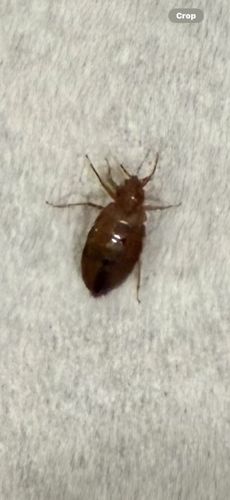
Bed bug
Cimex lectularius
- Order & Family
- Hemiptera (order), Cimicidae (family)
- Size
- Adults are typically 4-5 mm (about 3/16 inch) in length, oval-shaped, and flattened without a blood meal; engorged, they are more reddish-brown and plump.
Natural Habitat
Primarily human dwellings, especially beds, mattresses, bed frames, and other furniture where they can hide and have easy access to sleeping hosts.
Diet & Feeding
Strictly hematophagous, meaning they feed exclusively on the blood of warm-blooded animals, primarily humans. They typically feed at night when hosts are asleep.
Behavior Patterns
Nocturnal: most active at night. Seek shelter in cracks and crevices during the day. Females lay eggs in secluded spots, and nymphs emerge after about a week, going through several molts (instars) before reaching adulthood. They can survive for several months without feeding.
Risks & Benefits
Potential risks: Bed bug bites can cause itchy red welts, leading to skin irritation and secondary infections from scratching. Some individuals may experience allergic reactions. While they are not known to transmit diseases, their presence can cause psychological distress, anxiety, and sleep deprivation. There are no known benefits to humans or the ecosystem.