
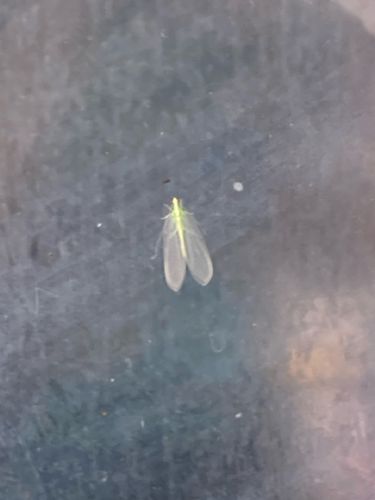
Ant alate (winged ant)
Formicidae (various genera and species)
- Order & Family
- Hymenoptera, Formicidae
- Size
- Typically 3-15 mm (0.1-0.6 inches), though some species can be larger.
Natural Habitat
Terrestrial environments worldwide, often in close proximity to human dwellings, forests, grasslands, and deserts.
Diet & Feeding
Highly varied, depending on the species. Can include nectar, honeydew from aphids, seeds, fungi, other insects (both living and dead), and human food scraps.
Behavior Patterns
Alates are reproductive ants (males and new queens) that emerge from the colony to undertake mating flights. After mating, males die, and queens shed their wings to establish new colonies. These flights often occur in large swarms, especially after rain.
Risks & Benefits
Generally beneficial as they aerate soil, disperse seeds, and prey on other insects. Some species can be pests when they invade homes or agriculture. A few species (e.g., fire ants) can deliver painful stings. They do not typically pose a direct health risk to humans beyond potential nuisance or stings from specific types.