
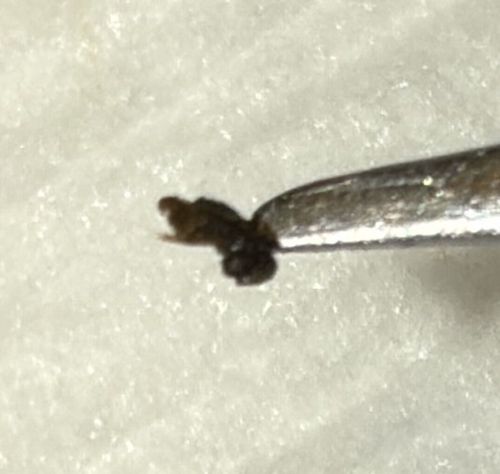
Community identification
Dog Flea
Ctenocephalides canis
- Order & Family
- Siphonaptera: Pulicidae
- Size
- 1.5 to 4.0 mm in length
Natural Habitat
Found on various mammalian hosts, particularly domestic dogs, and in carpets, bedding, and floor cracks within homes.
Diet & Feeding
Obligate hematophages; adults feed exclusively on the blood of mammals, while larvae consume organic debris and flea droppings (dried blood).
Behavior Patterns
Possess laterally flattened bodies for navigating through fur and powerful hind legs for jumping. They undergo complete metamorphosis (egg, larva, pupa, adult) and can remain dormant in the pupal stage for months.
Risks & Benefits
Risks include causing intense itching, allergic dermatitis, and transmitting tapeworms (Dipylidium caninum) or bacterial pathogens. They offer no notable benefits to the ecosystem or humans.