
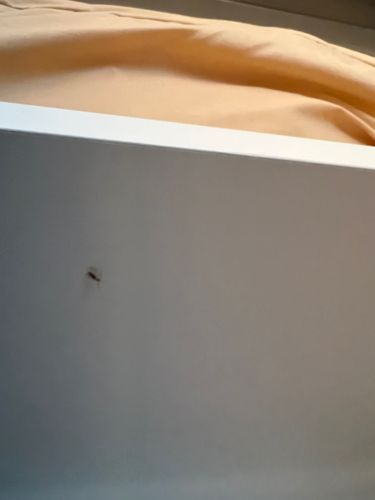
Mosquito
Varies by species (e.g., Anopheles, Aedes, Culex)
- Order & Family
- Order: Diptera, Family: Culicidae
- Size
- 3 mm to 9 mm (0.12 to 0.35 inches)
Natural Habitat
Mosquitoes are found worldwide in various habitats, particularly near standing water sources such as ponds, marshes, ditches, and artificial containers, which are essential for their larval and pupal stages. They can also be abundant in rural, suburban, and urban environments.
Diet & Feeding
Female mosquitoes feed on blood from various hosts, including humans, mammals, and birds. Both male and female mosquitoes feed on plant nectars and other sugar sources.
Behavior Patterns
Mosquitoes are most active during dawn and dusk, though some species are active during the day. Females lay eggs in water, and the larvae (wrigglers) and pupae (tumblers) are aquatic. Only female mosquitoes bite, as they require blood meals for egg development. Males feed on nectar.
Risks & Benefits
Risks: Mosquitoes are significant vectors of diseases, including malaria, dengue fever, Zika virus, West Nile virus, chikungunya, and yellow fever, posing a substantial global public health threat. Their bites can also cause irritating welts. Benefits: Mosquitoes play a role in the ecosystem as food for various animals, including birds, bats, fish, and other insects. Larvae can also help filter organic matter from water. Some species are important pollinators.