
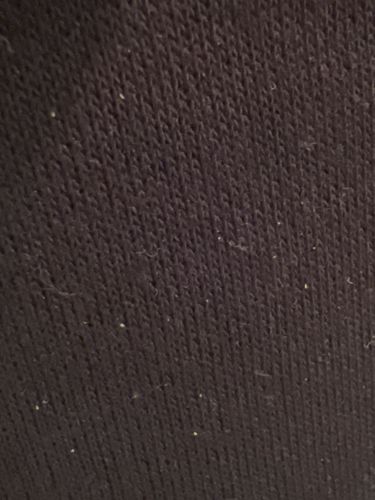
Community identification
Dust mite
Dermatophagoides pteronyssinus (European dust mite) or Dermatophagoides farinae (American dust mite)
- Order & Family
- Order: Sarcoptiformes; Family: Pyroglyphidae
- Size
- 0.2–0.3 mm (typically invisible to the naked eye; the tiny white specks in the image might be clusters, eggs, or skin dander they feed on).
Natural Habitat
Homes and buildings, specifically in humid environments within mattresses, bedding, upholstered furniture, and carpets.
Diet & Feeding
Primarily fragments of dead human and animal skin (dander) that have been partially decomposed by fungi.
Behavior Patterns
They prefer warm, dark, and damp locations with high humidity (70-80%). They do not bite but produce biological waste that accumulates in fabrics.
Risks & Benefits
Risks: Major trigger for allergies and asthma due to proteins in their waste (feces) and decaying body parts. Benefits: None to humans, though they technically act as decomposers in the environment.