
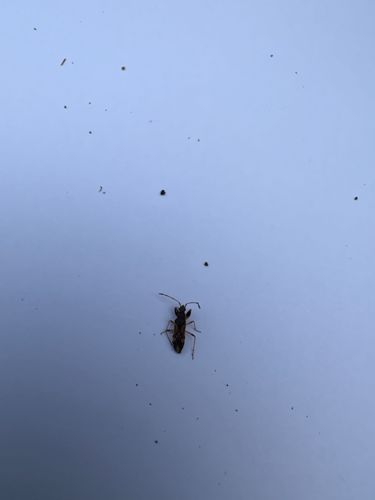
Minute Pirate Bug
Orius spp. (e.g., Orius insidiosus, Orius laevigatus)
- Order & Family
- Order: Hemiptera, Family: Anthocoridae
- Size
- Typically 1-5 mm in length
Natural Habitat
Commonly found in a wide variety of agricultural crops, orchards, gardens, and other vegetated areas where their prey are abundant. They are generalist predators and can adapt to many environments.
Diet & Feeding
Primarily predatory, feeding on small soft-bodied insects and mites such, as thysanoptera (thrips), aphids, spider mites, and insect eggs. They may also feed on plant sap or pollen when prey is scarce, leading to minor cosmetic damage on some plants.
Behavior Patterns
Minute pirate bugs are active predators, particularly on soft-bodied insects. They have a short life cycle, typically completing several generations per year. Adults and nymphs are both predatory. They can overwinter in various sheltered locations.
Risks & Benefits
Benefits: Minute pirate bugs are highly beneficial insects in agriculture and gardening as natural enemies of many common pests, helping to reduce reliance on chemical pesticides. Risks: While generally harmless, they can bite humans (though rarely break the skin) if they land on skin, especially during late summer/early fall when prey populations might decline, causing a slight, temporary prickle.