
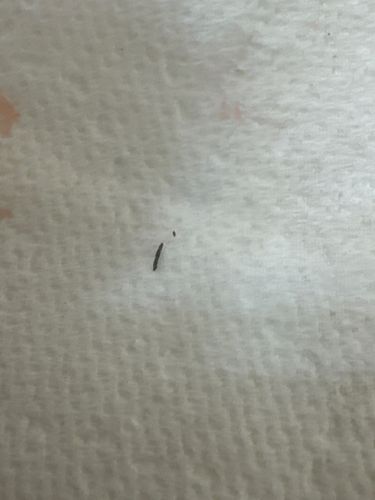
Fungus Gnat Larva
Bradysia spp. (though exact species cannot be determined from image)
- Order & Family
- Order: Diptera, Family: Sciaridae (dark-winged fungus gnats) or Mycetophilidae (fungus gnats)
- Size
- Larvae typically 4-7 mm (0.16-0.28 inches) in length.
Natural Habitat
Moist soil, decaying organic matter, potted plants, compost piles, greenhouses. They thrive in consistently wet conditions.
Diet & Feeding
Larvae feed on fungi, algae, and decaying organic matter in the soil. Some species can also feed on plant roots, especially tender seedlings.
Behavior Patterns
Fungus gnat larvae are legless, clear to whitish, with a distinctive black head capsule, as seen in the image. They are typically found burrowed in the top layers of moist soil. The adults are small, dark, mosquito-like flying insects that are attracted to light and moisture and lay their eggs in moist substrates.
Risks & Benefits
Potential risks: While generally harmless to established plants, large infestations of larvae can damage the roots of seedlings and young plants, leading to wilting, stunted growth, and even death. They can also be a nuisance to humans due to the presence of flying adults, particularly indoors. Benefits: They can contribute to the decomposition of organic matter in certain ecosystems.