
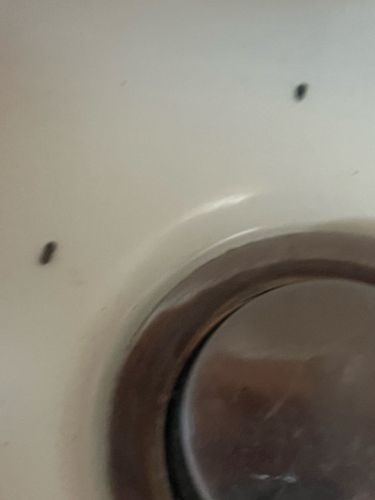
Drain Fly, Moth Fly, Filter Fly, Sewer Fly
Psychoda species (e.g., Psychoda alternata, Psychoda cinerea)
- Order & Family
- Diptera, Psychodidae
- Size
- 1.5 mm to 5 mm (0.06 to 0.2 inches) in length
Natural Habitat
Drains, sewers, septic tanks, compost piles, and any moist areas with accumulated organic debris. They are commonly found in bathrooms, kitchens, and basements, particularly around sinks, showers, and floor drains.
Diet & Feeding
Larvae feed on organic matter, algae, fungi, and microorganisms found in the gelatinous film lining drains, pipes, and septic tanks. Adult drain flies do not feed, or they may only consume liquids such as nectar from flowers, depending on the species.
Behavior Patterns
Drain flies are typically found in bathrooms, kitchens, and basements where moisture and organic debris are present. They are most active at night. Their larvae live and feed in the gelatinous film that accumulates on the sides of drains and pipes. Adults are weak fliers and tend to hop or run. They generally do not travel far from their breeding sites.
Risks & Benefits
Potential risks: While generally harmless, in large infestations, they can be a nuisance. They can transfer bacteria from their breeding sites (like sewage) to surfaces in homes, although direct transmission of disease to humans is considered rare. They can exacerbate asthma or allergies in sensitive individuals due to airborne particles from their bodies. Benefits: In natural environments, they play a minor role in decomposition of organic matter.