
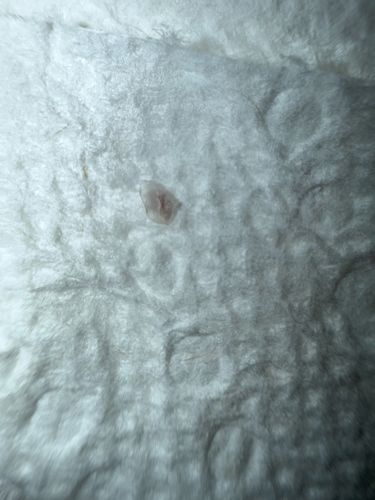
Community identification
Bed Bug
Cimex lectularius
- Order & Family
- Hemiptera: Cimicidae
- Size
- 1 to 7 millimeters; the specimen in the image appears to be an early-stage nymph based on its translucent appearance.
Natural Habitat
Human dwellings, specifically cracks and crevices near sleeping areas such as mattresses, bed frames, and headboards.
Diet & Feeding
Obligate hematophages, meaning they feed exclusively on the blood of warm-blooded animals, primarily humans.
Behavior Patterns
Nightly activity peaks just before dawn. They go through five nymphal stages, requiring a blood meal to molt into each subsequent stage. They are known for hitchhiking on luggage or clothing to spread.
Risks & Benefits
Direct risks include itchy welts from bites and potential secondary skin infections. They are not known to transmit diseases to humans but cause significant psychological distress and financial burden for eradication.