
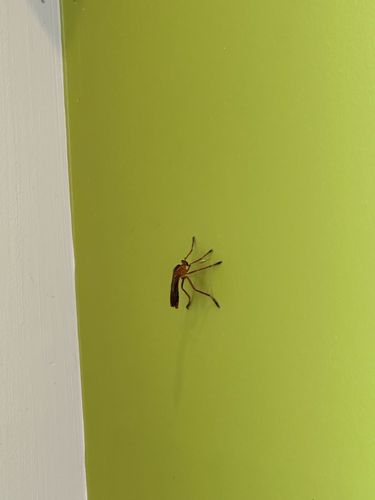
Mosquito
Various genera within Culicidae (e.g., Aedes, Anopheles, Culex)
- Order & Family
- Order: Diptera, Family: Culicidae
- Size
- Typically 3-6 mm (0.12-0.24 inches) in length, though some species can be larger or smaller.
Natural Habitat
Mosquitoes are found in virtually all terrestrial ecosystems where there is standing water for breeding. This includes wetlands, ponds, ditches, puddles, tree holes, and even artificial containers like discarded tires or flower pots. They are common in areas with high humidity and vegetation.
Diet & Feeding
Female mosquitoes feed on blood (from humans, other mammals, birds, etc.) for protein needed for egg production. Both male and female mosquitoes feed on nectar and plant juices for sugar, which provides energy.
Behavior Patterns
Mosquitoes are known for their biting behavior, particularly the females, who bite to obtain a blood meal necessary for egg development. They are crepuscular or nocturnal, meaning they are most active during dawn, dusk, or night. They lay their eggs in or near water. Males do not bite and primarily feed on nectar. Their flight is characterized by a rapid wing beat frequency.
Risks & Benefits
Risks: Mosquitoes are significant vectors for numerous diseases globally, including malaria, dengue fever, Zika virus, West Nile virus, chikungunya, and yellow fever, leading to millions of illnesses and deaths annually. Their bites can also cause irritating welts and allergic reactions. Benefits: Mosquito larvae serve as food for aquatic organisms like fish and other insects. Adult mosquitoes, particularly males, can act as pollinators for some plants while feeding on nectar.