
Community identification
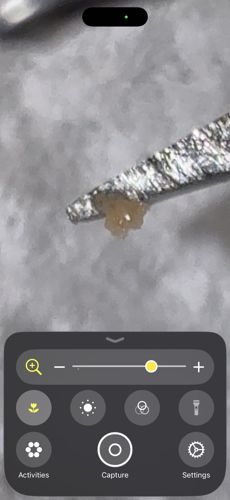
Lace Bug Nymph
Tingidae (genus/species depends on host plant)
- Order & Family
- Order: Hemiptera, Family: Tingidae
- Size
- 1 mm to 3 mm (nymphs are at the smaller end of this scale)
Natural Habitat
Found on the undersides of leaves of various trees and shrubs, including oak, sycamore, and azalea.
Diet & Feeding
Plant juices; they use piercing-sucking mouthparts to feed on the leaf tissues of host plants.
Behavior Patterns
Nymphs are often found in clusters and are characterized by a spiny appearance. They undergo incomplete metamorphosis and leave behind dark varnish-like spots of excrement on leaves.
Risks & Benefits
They are agricultural and ornamental pests that can cause foliage discoloration known as stippling. They generally do not pose a direct risk to humans, though they may occasionally land on skin and cause minor irritation with their mouthparts.