
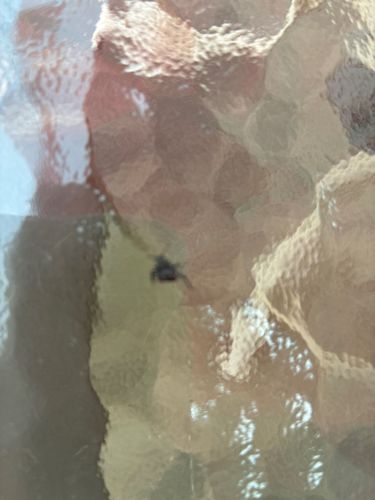
Jumping Spider
There are over 600 genera and more than 6,000 species of jumping spiders, so a specific scientific name cannot be determined from the image. Examples include Phidippus audax (Bold Jumper) or Salticus scenicus (Zebra Jumper).
- Order & Family
- Order Araneae, Family Salticidae
- Size
- Typically small to medium-sized, ranging from 1 mm to 25 mm (0.04 to 1 inch) in body length, depending on the species.
Natural Habitat
Widely diverse, found in almost all terrestrial habitats, including grasslands, forests, deserts, urban areas, and even high mountains. They are often seen on walls, fences, plants, and other surfaces in sunny locations.
Diet & Feeding
Primarily carnivorous, feeding on a wide variety of insects and other small arthropods. Some species may occasionally consume nectar or pollen.
Behavior Patterns
Jumping spiders are active hunters that do not build webs to catch prey. Instead, they stalk their prey and pounce on them. They have excellent eyesight, which they use for hunting and navigating. They often make exploratory leaps, sometimes attaching a safety line of silk before jumping. Many species engage in complex courtship rituals.
Risks & Benefits
Jumping spiders are generally harmless to humans. While they can bite if provoked, their venom is not considered medically significant and typically causes only mild, localized reactions similar to a bee sting. They are beneficial as natural pest control, preying on various insects in gardens and homes.