
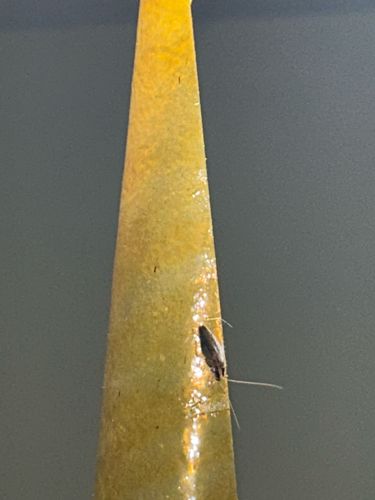
Fungus Gnat
Various species in the families Sciaridae (e.g., Bradysia impatiens) and Mycetophilidae
- Order & Family
- Order: Diptera, Family: Sciaridae or Mycetophilidae
- Size
- Adults typically measure 2-5 mm (0.08-0.2 inches) in length.
Natural Habitat
Fungus gnats are commonly found indoors around houseplants, greenhouses, and other areas with moist soil, decaying organic matter, and high humidity. Outdoors, they can be found in compost piles, woodlands, and other damp environments.
Diet & Feeding
Adult fungus gnats do not feed significantly or are short-lived and feed on liquids. Larvae feed on fungi, decaying plant matter, and sometimes plant roots, especially in high populations.
Behavior Patterns
Fungus gnats are typically attracted to moist environments and decaying organic matter. Adults are poor fliers and often found near potted plants, compost, or other damp areas. Larvae feed on fungi and decaying plant material in the soil. Their life cycle is relatively short, from egg to adult in about 3-4 weeks depending on conditions.
Risks & Benefits
Potential risks include being a nuisance pest indoors, especially to houseplants where larvae can damage roots, leading to stunted growth or wilting in severe infestations. They do not bite humans or transmit diseases. Benefits are minimal; they play a small role in decomposition as larvae consume decaying organic matter.